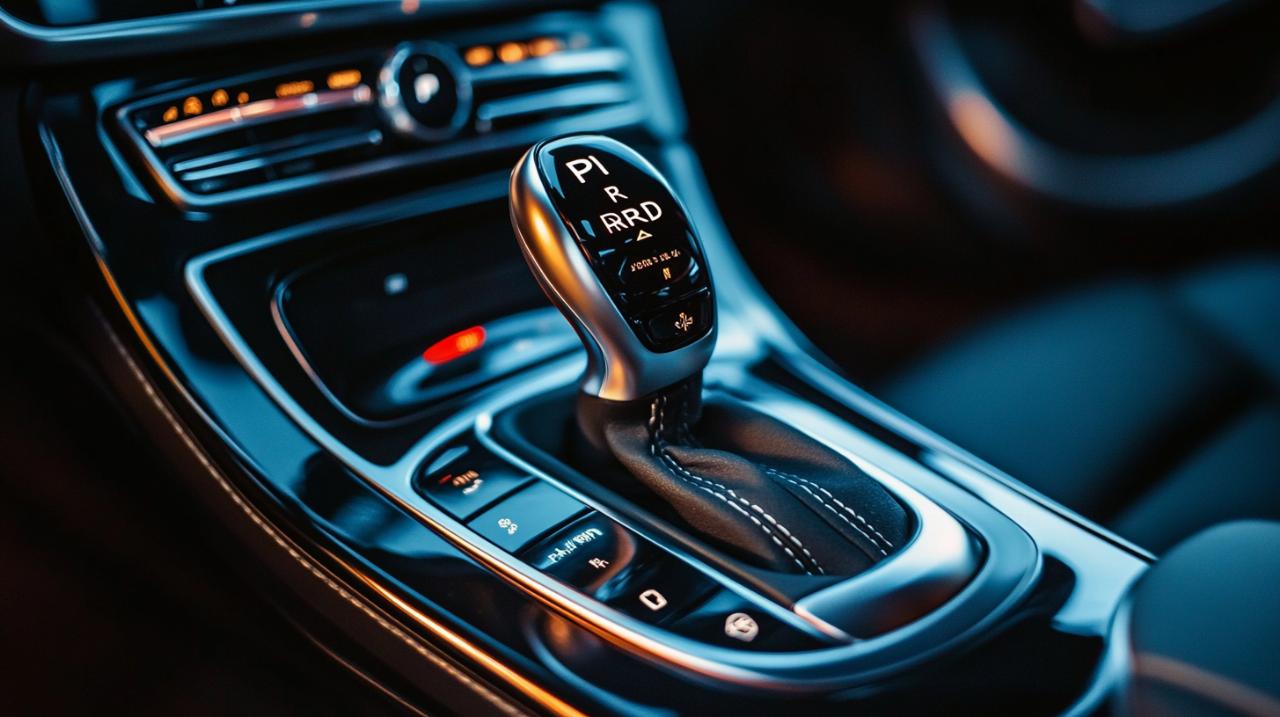
For many drivers, the first encounter with an automatic gearbox can feel somewhat bewildering, particularly when faced with a sequence of letters rather than the familiar numbered pattern of a manual transmission. The letters PRND, prominently displayed on the gear selector of most automatic vehicles, represent the fundamental positions that control how power is delivered to the wheels. Understanding what each of these letters signifies and how to use them correctly is not merely a matter of convenience but an essential aspect of safe and efficient vehicle operation. This guide aims to demystify the automatic transmission system, offering clear explanations and practical advice to help drivers navigate their journeys with confidence and precision.
Decoding the prnd system: understanding each gear position
The PRND sequence forms the backbone of automatic transmission control, with each letter corresponding to a specific function that determines how the vehicle behaves. These positions are designed to simplify the driving experience by removing the need for constant manual gear changes, yet they require a proper understanding to be used effectively. The letters themselves are abbreviations, each representing a distinct mode that the transmission can operate in, and mastering their use is fundamental to getting the most out of an automatic car.
What P, R, N, and D Stand For in Your Automatic Vehicle
The letter P stands for Park, a position that locks the transmission mechanism to prevent the wheels from turning when the vehicle is stationary. This mode is essential when leaving the car unattended, as it ensures the vehicle remains securely in place. Engaging Park effectively immobilises the vehicle by inserting a metal pin into the transmission, creating a mechanical lock that holds everything steady. It is important to note that Park should only be selected when the car has come to a complete stop, as attempting to engage it while moving can cause significant damage to the transmission system.
R represents Reverse, the mode that allows the vehicle to move backwards. This position reverses the direction of power flow through the transmission, enabling the car to travel in the opposite direction. Reverse is typically used for manoeuvres such as parking or exiting driveways, and it requires careful attention to surroundings to ensure safety. Most automatic vehicles are equipped with safety features that prevent the driver from accidentally engaging Reverse while the car is moving forward, thereby protecting the transmission from harm.
N stands for Neutral, a position that disengages the transmission from the engine, allowing the wheels to rotate freely without any power being transmitted. In this mode, the vehicle can coast or be pushed, making it useful in situations where the car needs to be moved without engine power. However, Neutral does not provide any braking force, so it is crucial to apply the handbrake to prevent the vehicle from rolling away, especially on inclines. Neutral is also used during certain service procedures or when the vehicle is being towed, though modern automatic cars often have specific guidelines for towing to avoid damage.
D, or Drive, is the primary mode for everyday driving. When the gear selector is placed in Drive, the transmission automatically selects the appropriate gear based on speed, engine load, and driving conditions. This mode allows the car to accelerate smoothly from a standstill and adjusts the gear ratios as speed increases, ensuring optimal performance and fuel efficiency. Drive mode is where most drivers will spend the majority of their time, as it provides a seamless and intuitive driving experience without the need for manual intervention.
How automatic transmission differs from manual gearboxes
The fundamental difference between an automatic gearbox and a manual transmission lies in the method of gear selection and control. In a manual vehicle, the driver must physically select each gear using a clutch pedal and gear lever, coordinating the timing and force to ensure smooth transitions. This process requires skill and attention, particularly in stop-and-start traffic or on challenging terrain. An automatic transmission, by contrast, uses a complex system of hydraulic controls, sensors, and electronic management to select gears automatically, relieving the driver of this responsibility and allowing them to focus more on steering and road awareness.
Another key distinction is the absence of a clutch pedal in automatic vehicles. Instead of a clutch, automatic transmissions use a torque converter, which is a fluid coupling device that transmits power from the engine to the gearbox. This component allows the engine to keep running even when the vehicle is stationary, eliminating the need for the driver to disengage the engine manually. The torque converter also provides a smooth transfer of power, reducing the jerkiness that can sometimes be felt in manual gear changes. This smoothness is one of the reasons why automatic transmissions are often favoured for their comfort and ease of use, particularly in urban driving conditions.
Automatic gearboxes also offer a range of driving modes beyond the basic PRND sequence, such as Sport mode, which holds gears for longer to provide a more responsive and spirited driving experience. Some vehicles also feature a Brake mode, designed to offer additional engine braking, which is particularly useful when descending steep hills. These additional modes provide drivers with greater control over how the vehicle responds, allowing them to tailor the transmission behaviour to suit different driving conditions and preferences. Understanding these variations and knowing when to employ them can significantly enhance both the performance and safety of the vehicle.
When to Use Each Gear: Practical Guidance for Safe Driving
Knowing when to select each gear position is crucial for maintaining control of the vehicle and ensuring both safety and mechanical integrity. Each mode within the PRND system has a specific purpose, and using them correctly can prevent damage to the transmission and improve the overall driving experience. Practical guidance on gear selection helps drivers make informed decisions in various situations, from everyday commuting to more challenging driving scenarios.
Proper Use of Park, Reverse, and Neutral Positions
Park should be engaged whenever the vehicle is left unattended or when it is necessary to ensure the car remains stationary for an extended period. This includes situations such as parking at home, at work, or in public car parks. Before selecting Park, the driver must bring the vehicle to a complete stop and apply the handbrake. Once Park is engaged, the transmission is locked, and the vehicle cannot move under its own power. It is advisable to apply the handbrake first, particularly on slopes, to reduce the strain on the Park mechanism and prevent the vehicle from rocking slightly when the transmission lock engages.
Reverse is used whenever the vehicle needs to move backwards, and it should be selected only when the car is completely stationary. Engaging Reverse while the vehicle is moving forward can cause severe damage to the transmission, so it is essential to wait until all forward motion has ceased before shifting. When reversing, drivers should check mirrors and blind spots carefully, as visibility is often limited. The speed in Reverse should be controlled by gently applying or releasing the accelerator, and the brake should be used to bring the vehicle to a complete stop before shifting back to Drive or Park.
Neutral is less commonly used in everyday driving but remains an important position for specific situations. It is appropriate when the vehicle needs to be stationary with the engine running, such as when waiting at a railway crossing or during certain service procedures. Neutral can also be useful if the car needs to be pushed or towed, though it is important to consult the vehicle manual, as some modern automatic transmissions require special handling to avoid damage. When in Neutral, the handbrake must always be applied to prevent the vehicle from rolling, as there is no transmission lock to hold it in place.
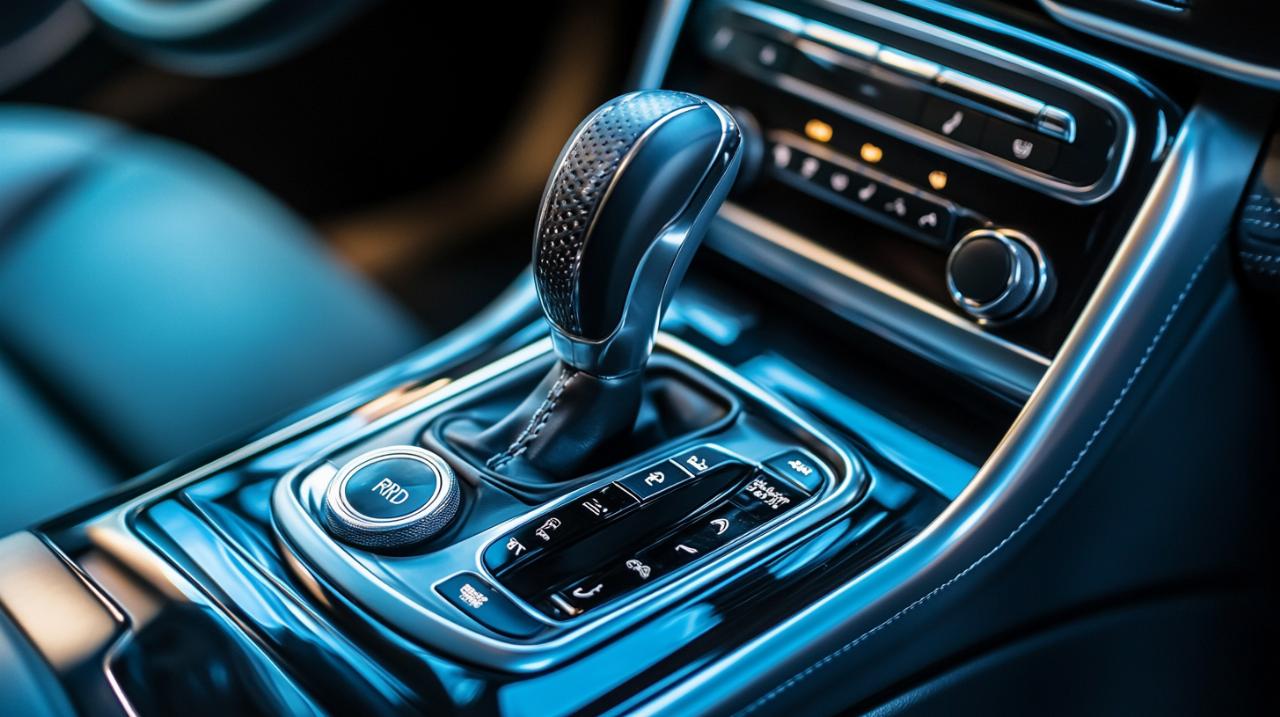
Maximising Drive Mode for Different Road Conditions and Speeds
Drive mode is designed to handle a wide range of driving conditions, automatically selecting the most suitable gear as the vehicle accelerates or decelerates. For normal road driving, simply placing the selector in Drive and using the accelerator and brake pedals is sufficient. The transmission will smoothly shift through the gears, optimising performance and fuel economy. In city traffic, where frequent stops and starts are common, Drive mode excels by providing seamless transitions without the need for manual intervention, reducing driver fatigue and improving comfort.
On motorways and dual carriageways, Drive mode continues to perform effectively, allowing the vehicle to reach higher speeds while maintaining efficient engine operation. The transmission will upshift to higher gears as speed increases, keeping the engine running at optimal revolutions per minute and reducing fuel consumption. If the driver needs to overtake or accelerate briskly, pressing the accelerator more firmly will prompt the transmission to downshift, providing a burst of power to facilitate the manoeuvre. This responsiveness is one of the key advantages of modern automatic gearboxes, which are programmed to anticipate driver intent and adjust accordingly.
For those vehicles equipped with Sport mode, this setting can be engaged when a more dynamic driving experience is desired. Sport mode holds gears for longer, allowing the engine to reach higher revolutions before shifting up, which results in quicker acceleration and a more engaging feel. This mode is particularly useful on winding roads or when merging onto fast-moving traffic, where immediate power delivery is advantageous. Conversely, Brake mode, where available, is invaluable when descending long or steep hills. By increasing engine braking, this mode reduces reliance on the foot brake, helping to prevent brake fade and maintain better control of the vehicle's speed. Understanding when to employ these additional modes enhances both safety and driving enjoyment, allowing drivers to adapt their vehicle's behaviour to suit the demands of the journey.
Common Mistakes and Best Practices with Automatic Gearbox Controls
Even experienced drivers can make errors when operating an automatic gearbox, particularly if they are more accustomed to manual transmissions. Recognising these common mistakes and adopting best practices can help preserve the longevity of the transmission and ensure a safer driving experience. Awareness and attention to detail are key to avoiding unnecessary wear and potential damage.
Gear selection errors that could damage your vehicle
One of the most damaging mistakes is shifting into Park or Reverse while the vehicle is still in motion. This action can cause severe stress on the transmission components, potentially leading to costly repairs or complete transmission failure. The transmission is not designed to absorb such forces, and the metal pin that engages in Park mode can shear off or become damaged if the vehicle is moving. Similarly, shifting into Reverse before the car has stopped moving forward can strip gears or damage the torque converter, resulting in a loss of power transmission and the need for extensive repairs.
Another common error is failing to engage the handbrake before selecting Park, especially on slopes. While the Park position does lock the transmission, relying solely on it without the handbrake can place undue stress on the parking pawl, the small metal component that holds the vehicle in place. Over time, this stress can lead to wear or failure, making it difficult to shift out of Park. Applying the handbrake first transfers the holding force to the brake system, where it is better absorbed, and reduces the load on the transmission mechanism.
Drivers sometimes also mistakenly select Neutral instead of Drive when stationary at traffic lights or in queues, believing it will save fuel or reduce wear. However, modern automatic transmissions are designed to handle prolonged periods in Drive with the brake applied, and shifting to Neutral and back repeatedly can cause unnecessary wear on the transmission components. Additionally, being in Neutral reduces the driver's ability to respond quickly if the traffic situation changes, as there is a delay involved in shifting back to Drive. It is generally safer and more efficient to remain in Drive with the brake applied unless there is a specific reason to use Neutral.
Essential Tips for Smooth Gear Transitions and Longevity
To ensure smooth gear transitions and prolong the life of the automatic gearbox, drivers should always come to a complete stop before shifting between Park, Reverse, and Drive. This simple practice prevents the transmission from being subjected to forces it is not designed to handle and reduces the risk of damage. When shifting, a gentle and deliberate motion is preferable to a hurried or forceful action, as this allows the transmission to engage properly and smoothly.
Regular maintenance is also crucial for the health of an automatic transmission. This includes checking and changing the transmission fluid at the intervals recommended by the vehicle manufacturer. Transmission fluid lubricates the internal components, cools the system, and helps to transmit power efficiently. Over time, the fluid can degrade or become contaminated, leading to poor performance and increased wear. Keeping the fluid clean and at the correct level is one of the most effective ways to maintain the transmission's reliability and performance.
Drivers should also avoid overloading the vehicle or towing beyond the recommended capacity, as excessive weight can strain the transmission and lead to overheating. If towing is necessary, using the appropriate driving mode and allowing the transmission to cool down during long journeys can help prevent damage. Additionally, paying attention to any unusual sounds, vibrations, or warning lights related to the transmission is important, as these can be early indicators of a problem that, if addressed promptly, can prevent more serious and expensive repairs.
By understanding the PRND system, using each gear position correctly, and following best practices for maintenance and operation, drivers can master gear control in their automatic vehicles. This knowledge not only enhances safety and comfort but also ensures that the transmission remains reliable and efficient throughout the vehicle's life, making every journey smoother and more enjoyable.