
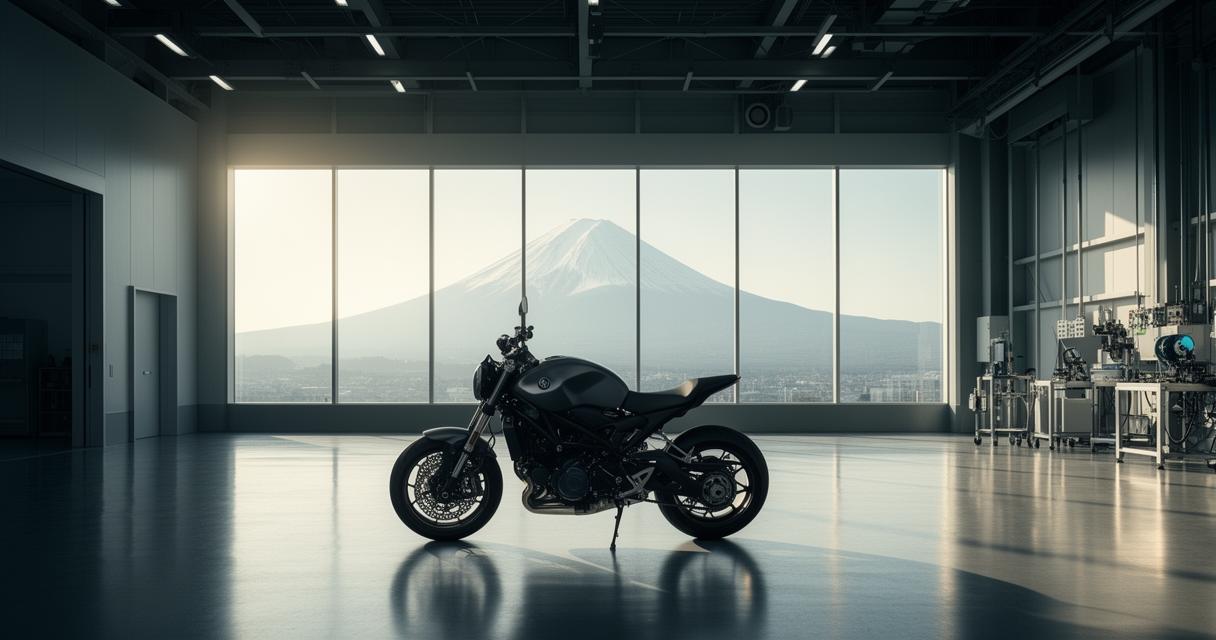
The global motorcycle market has long been shaped by a handful of powerful manufacturers, yet it is the Japanese brands that have come to define the industry. Names such as Honda, Yamaha, Suzuki, and Kawasaki are not merely familiar; they are synonymous with motorcycling itself. Their rise from the rubble of post-war devastation to international supremacy is a story of strategic vision, relentless engineering discipline, and an ability to adapt to the needs of riders across every continent. Understanding why so many motorcycle brands are Japanese requires examining the unique combination of historical circumstances, industrial policy, and a culture that prizes both innovation and reliability.
- Japanese motorcycle manufacturers emerged as global leaders by repurposing precision engineering expertise and industrial infrastructure from the post-war era.
- Government support and industrial policies in post-war Japan fostered an environment that encouraged corporate research, innovation, and global competition.
- Major brands like Honda, Yamaha, Suzuki, and Kawasaki adapted their diverse industrial backgrounds to create practical, affordable, and high-performance transportation solutions.
- The implementation of 'kaizen,' or continuous improvement, allowed Japanese brands to establish an enduring reputation for superior reliability and build quality.
- Heavy investment in research and development has enabled these companies to consistently lead in technological advancements, from multi-cylinder engines to modern safety systems.
- Japanese manufacturers have successfully balanced mass production efficiency with a commitment to addressing the evolving needs of riders in both domestic and international markets.
The post-war foundations: how japan rebuilt through engineering excellence
From military expertise to civilian manufacturing: japan's industrial transformation
In the aftermath of the Second World War, Japan faced a landscape of ruin and uncertainty. Yet within this devastation lay the seeds of an extraordinary industrial revival. The country possessed a skilled workforce and a tradition of precision engineering, much of which had been honed during wartime production. As the nation turned its attention to rebuilding, these capabilities were redirected towards civilian goods. The transition from military manufacturing to consumer products was not merely a necessity but an opportunity to redefine Japan's economic identity. Engineers who once designed aircraft engines and military vehicles now applied their expertise to creating efficient, affordable transportation for the masses. This shift was underpinned by a broader industrial policy that encouraged innovation and supported the development of new industries. The government played a crucial role in fostering an environment where companies could experiment, invest in research, and compete on the world stage.
Early Pioneers: The Birth of Honda, Yamaha, Suzuki, and Kawasaki
The birth of Japan's motorcycle giants took place during the 1950s, a period of intense creativity and competition. Honda, founded by Soichiro Honda, began by attaching small engines to bicycles, offering a practical solution for a population in need of cheap and reliable transport. The success of these motorised bicycles laid the groundwork for the company's expansion into larger, more sophisticated machines. Yamaha, originally a manufacturer of musical instruments and later a producer of propellers during the war, entered the motorcycle market with a focus on performance and innovation. Suzuki, which had started in textiles before moving into loom manufacturing, diversified into motorcycles with a keen eye on mass production and affordability. Kawasaki, a heavy industry conglomerate with roots in shipbuilding and aerospace, brought its engineering prowess to the two-wheeled arena, creating machines that balanced power with precision. Each of these companies benefited from a culture that emphasised continuous improvement and a willingness to learn from international markets. By the 1960s, Japanese motorcycles were not only dominating domestic sales but were also making significant inroads abroad, challenging established European and American brands with their combination of quality, performance, and value.
Quality, Reliability, and Innovation: The Pillars of Japanese Motorcycle Dominance
Engineering philosophy: why japanese bikes rarely let you down
At the heart of Japan's success in the motorcycle industry lies a distinctive engineering philosophy that prioritises reliability and meticulous attention to detail. Japanese manufacturers developed a reputation for producing machines that could withstand the rigours of daily use without frequent breakdowns. This reliability was not accidental but the result of rigorous quality control processes and a commitment to continuous refinement. Engineers in companies like Honda and Yamaha adopted principles from the broader manufacturing sector, including the concept of kaizen, or continuous improvement, which encouraged workers at every level to identify and solve problems. The focus on precision extended to every component, from the engine to the smallest fastener, ensuring that each part met exacting standards. This approach contrasted sharply with some competitors, where tradition and aesthetics occasionally took precedence over practical durability. For riders, the result was a motorcycle that started reliably, required less maintenance, and retained its value over time. This reputation for dependability became a powerful marketing tool, attracting customers who valued practicality and peace of mind alongside performance.
Research and Development Investment: Pushing the Boundaries of Performance and Technology
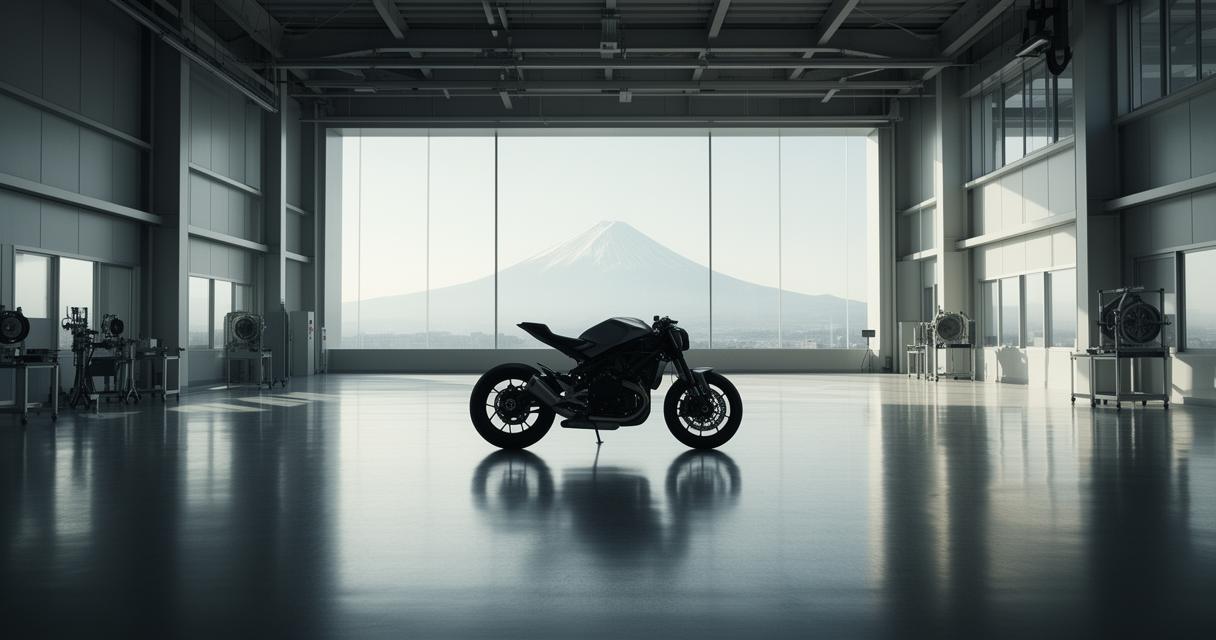
Japanese motorcycle manufacturers have consistently invested heavily in research and development, recognising that sustained market leadership requires constant innovation. This commitment has enabled them to push the boundaries of engine performance, develop advanced suspension systems, and integrate cutting-edge electronics into their machines. The emphasis on technological advancement is evident in the rapid evolution of motorcycle design over recent decades. From the introduction of multi-cylinder engines that delivered unprecedented power to the development of anti-lock braking systems that enhanced safety, Japanese brands have been at the forefront of change. The investment in research extends beyond individual components to encompass entire production processes, ensuring that factories operate with maximum efficiency and minimal waste. This focus on innovation has also positioned Japanese companies to respond effectively to new challenges, such as the shift towards electrification. By building on decades of experience in combustion engine technology, these manufacturers are now developing electric motorcycles that promise to combine the performance and reliability for which they are known with the environmental benefits of zero-emission power. The willingness to embrace change while maintaining core values of quality and precision is a testament to the strength of their engineering culture.
Market Strategy and Global Appeal: How Japanese Brands Conquered the World
Competitive Pricing and Value for Money: Accessibility Across All Riding Segments
One of the defining characteristics of Japanese motorcycle brands has been their ability to offer exceptional value for money. By leveraging efficient production methods and economies of scale, companies such as Suzuki and Kawasaki have been able to price their products competitively without sacrificing quality. This strategy has made motorcycles accessible to a far broader audience than would have been possible with more exclusive, premium brands. For many riders, especially those in emerging markets, the affordability of Japanese bikes has opened the door to personal mobility and the freedom it brings. The competitive pricing is not simply a matter of cutting costs but reflects a deep understanding of manufacturing efficiency and supply chain management. Japanese factories are renowned for their streamlined processes, where waste is minimised and productivity maximised. This efficiency translates into lower production costs, which are then passed on to consumers. Moreover, the availability of spare parts and extensive dealer networks ensures that maintaining a Japanese motorcycle is both convenient and affordable. In contrast to some European or American brands, which often target niche markets with higher price points, Japanese manufacturers have consistently aimed to meet the needs of everyday riders, from commuters on scooters to enthusiasts seeking high-performance sport bikes.
Diverse model ranges and efficient production: meeting every rider's needs
The global appeal of Japanese motorcycle brands is further enhanced by their diverse model ranges, which cater to virtually every segment of the market. Whether a rider is looking for a nimble urban scooter, a rugged adventure tourer, or a high-performance sportbike, Japanese manufacturers have a machine to suit. This diversity is the product of efficient production systems that allow for flexible manufacturing and rapid adaptation to changing consumer preferences. By producing a wide array of models on shared platforms and using modular components, companies can offer variety without the inefficiencies that typically accompany such breadth. This approach has enabled Japanese brands to respond quickly to regional demands and emerging trends, ensuring they remain relevant in markets as varied as India, where cost-efficient local production is paramount, and Europe, where design aesthetics and advanced technology are highly valued. The ability to scale production up or down in response to demand, combined with a global distribution network, means that Japanese motorcycles are available in virtually every corner of the world. This ubiquity, paired with a reputation for quality and innovation, has cemented the position of Japanese brands as the leaders of the motorcycle industry. As the industry shifts towards electrification, these companies are once again demonstrating their adaptability, investing in electric powertrains and the infrastructure needed to support them, while maintaining the core values that have driven their success for decades.


