
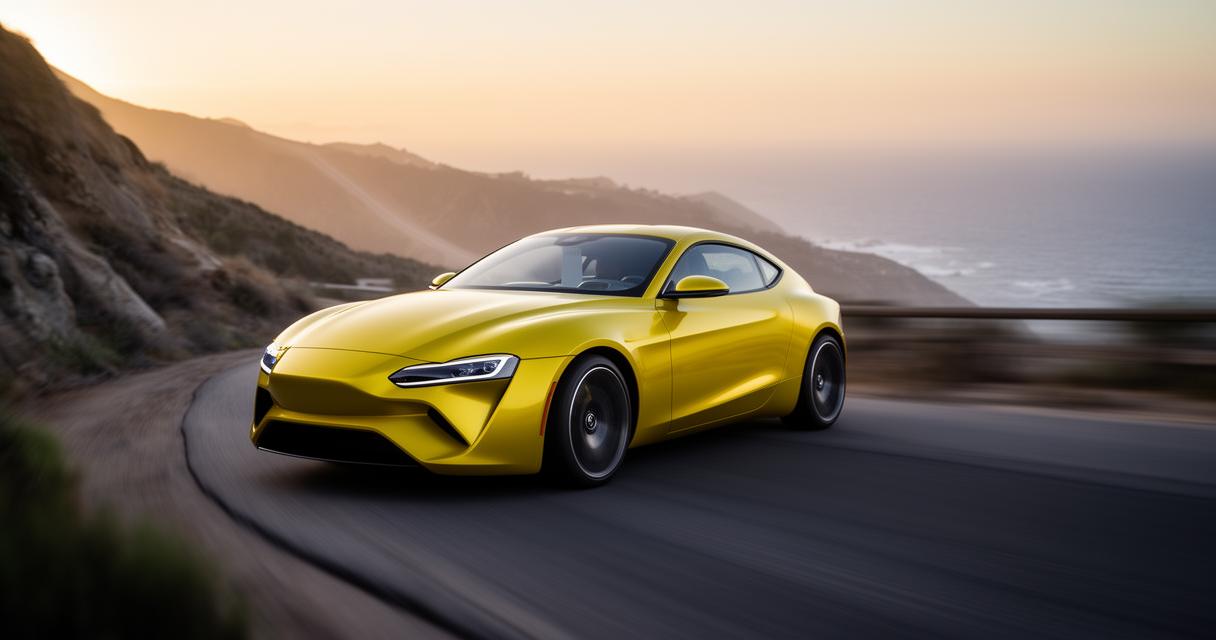
Sports car enthusiasts have plenty to get excited about as whispers from Japan suggest Toyota is dusting off a beloved concept and preparing it for the road. The S-FR, first teased back in 2015 as a nod to the brand's original Sports 800, appears to be edging closer to production reality, with sights firmly set on dethroning the Mazda MX-5 as the default choice for affordable, engaging roadster motoring.
The essentials
- Toyota is developing the S-FR sports car, aiming to challenge the Mazda MX-5's dominance in the affordable roadster segment.
- The vehicle is expected to feature a suite of advanced active safety systems, such as adaptive braking and stability management, as standard equipment.
- Engineering collaborations with Daihatsu and Suzuki allow the S-FR to utilize reinforced structural platforms designed for superior crash performance.
- The car will likely be powered by a turbocharged 1.3-litre three-cylinder engine producing approximately 150 horsepower, tuned to ensure predictable handling.
- The chassis design incorporates a wider, longer platform than previous concepts to improve both weight distribution and side-impact protection.
- Toyota plans to position the S-FR as a more safety-conscious alternative to the Miata, with anticipated pricing potentially ranging from $22,700 to $28,000.
- The S-FR is projected for a release in late 2026 or 2027, though its availability in the North American market remains unconfirmed.
Revolutionary Safety Technology: How the S-FR Sets New Standards in Driver Protection
Advanced active safety systems designed for spirited driving
While the driving thrills are the headline act, Toyota's engineers are said to be weaving in a suite of active safety systems that work quietly in the background without dulling the fun. The idea is that a compact, lightweight roadster doesn't need to compromise on protection just because it's built for spirited cornering. Given that the Toyota S-FR is expected to share underpinnings with Daihatsu's Vision Copen concept, there's a strong chance that sensor-based driver aids, adaptive braking, and stability management will be standard rather than optional extras, something that would set it apart from older-school rivals in the segment.
Passive safety features that redefine compact sports car protection
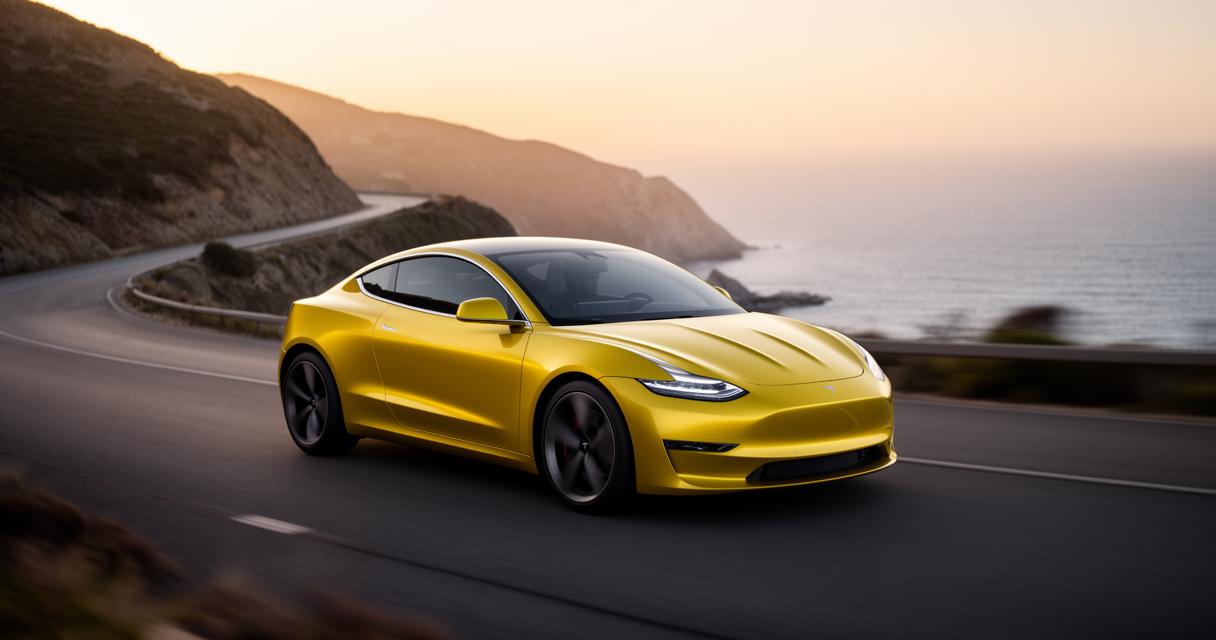
Beyond the electronic wizardry, the structural side of things matters just as much. Toyota's collaboration with Daihatsu and reportedly Suzuki gives the project access to shared platforms that have already been honed for crash performance across several small-car applications. This kind of cross-brand development often means safety cages, reinforced sills, and crumple structures benefit from economies of scale that a standalone sports car programme simply couldn't achieve on its own. For a two-seater roadster aiming to sit below the GR86 in Toyota's lineup, that shared engineering muscle could prove a genuine differentiator against the established Mazda Miata.
Performance meets protection: balancing driving thrills with occupant safety
Turbo Power Delivery Engineered with Collision Prevention in Mind
Under the bonnet, expectations point towards a turbocharged three-cylinder engine displacing roughly 1.3 litres, a notable step up from the current Copen's tiny 660cc unit. Power is rumoured to land somewhere around 150 horsepower, a healthy jump from the 63 hp and 68 lb-ft the outgoing Copen offers. That extra punch, delivered through rear-wheel drive, promises the kind of playful handling balance that roadster fans crave, yet Toyota appears keen to ensure that the increased performance doesn't come at the expense of predictability. Collision-avoidance tech tends to work best when paired with responsive, well-mannered power delivery, and early indications suggest the S-FR's turbo setup has been tuned with exactly that harmony in mind.
Chassis design philosophy that prioritises both handling and crashworthiness
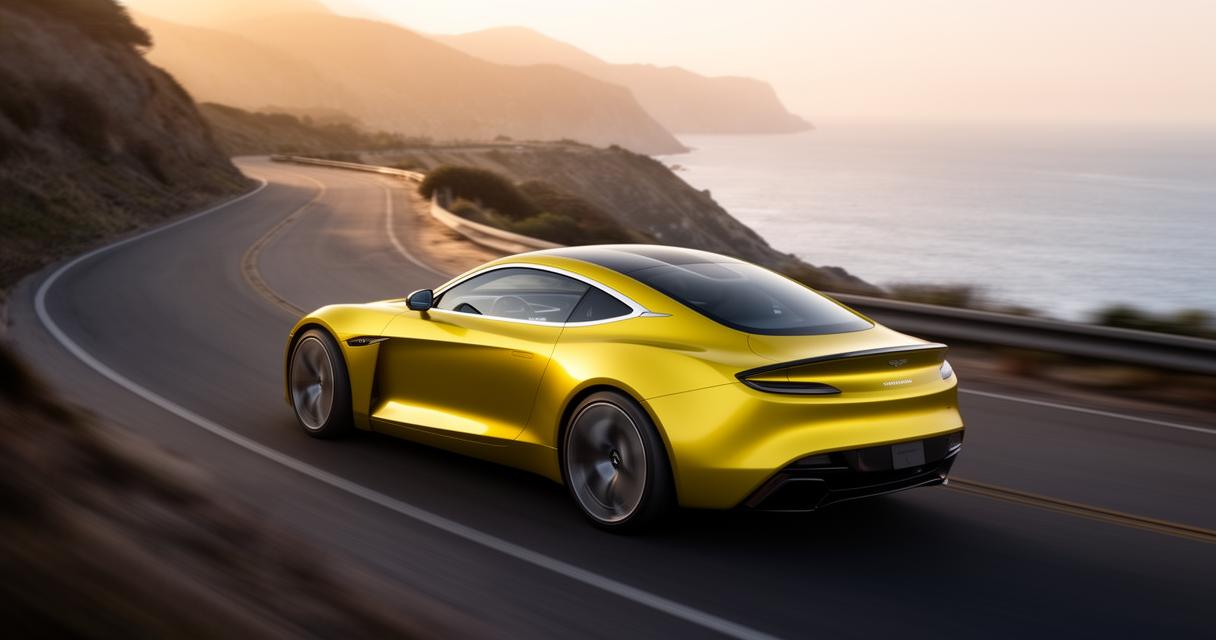
The Vision Copen concept, which many believe previews the S-FR's underlying architecture, is considerably larger than today's Copen, measuring around 151 inches long and 66.7 inches wide compared with the current car's 133.7 inches and 58.1 inches. That extra footprint isn't just about looks or interior space; a wider, longer platform typically allows for better weight distribution and more robust side-impact structures, both of which feed directly into crashworthiness. Toyota's engineers seem to be threading a careful needle, growing the car just enough to accommodate stronger safety architecture while keeping the nimble, tossable character that made the original Sports 800 and the 2015 concept so charming.
Competitive Positioning: Safety Innovation as the S-FR's Secret Weapon Against the Miata
Comparing safety specifications with established roadster rivals
The Mazda MX-5 has long enjoyed a reputation as the benchmark affordable roadster, but its safety credentials, while solid, haven't always been the star of the conversation. If Toyota can genuinely deliver a more comprehensive suite of driver-assistance features alongside a stiffer, better-protected chassis, it could carve out a fresh angle in a segment that's often judged purely on driving feel. Buyers cross-shopping the S-FR against the Miata or even eyeing pricier alternatives from Mercedes may find themselves swayed by the reassurance of modern safety tech bundled into a genuinely playful package.
Market appeal through comprehensive protection at competitive pricing
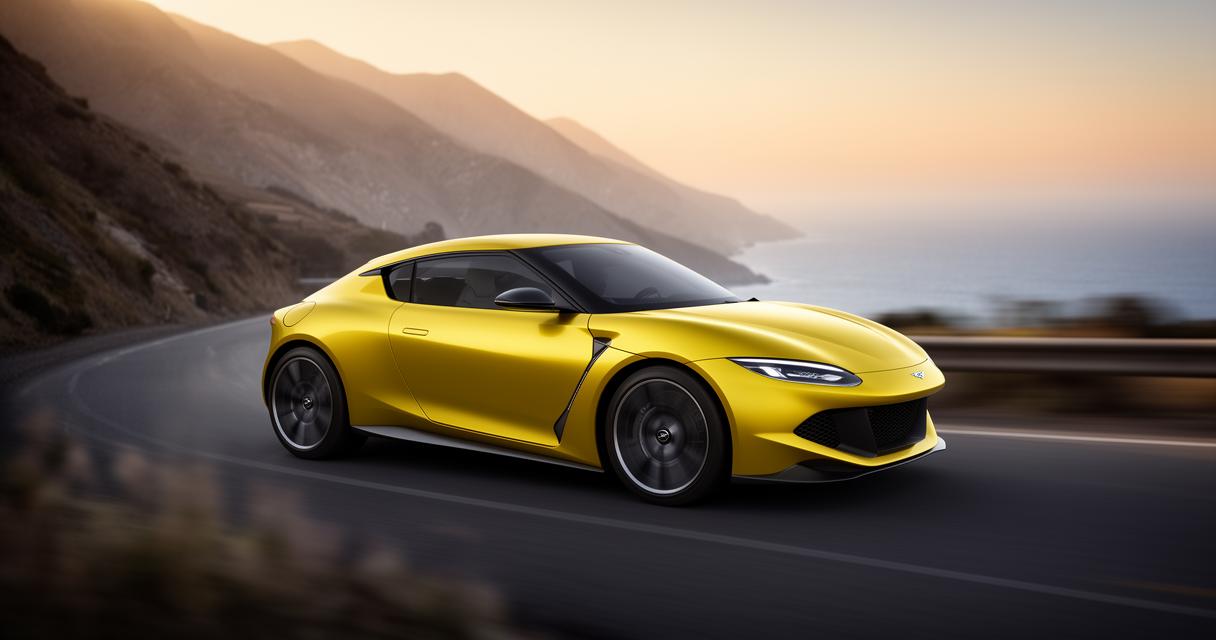
Pricing rumours suggest Toyota could undercut the Miata significantly, with estimates hovering around $22,700, roughly six thousand dollars less than Mazda's offering, though other reports point towards a slightly higher figure closer to $28,000 depending on market and specification. Local Japanese pricing might sit under $25,000 before export costs and regulatory compliance push figures upward for international markets. There's still genuine uncertainty about whether the S-FR will even reach American shores, given Toyota's concern that it might simply cannibalise interest in the GR86. Nevertheless, with a targeted release window of late 2026 or early 2027, the S-FR seems poised to enter the market as a compact sports car that doesn't ask buyers to choose between exhilaration and peace of mind, a combination that, if executed well, could genuinely reshape expectations for what an affordable roadster ought to offer.


